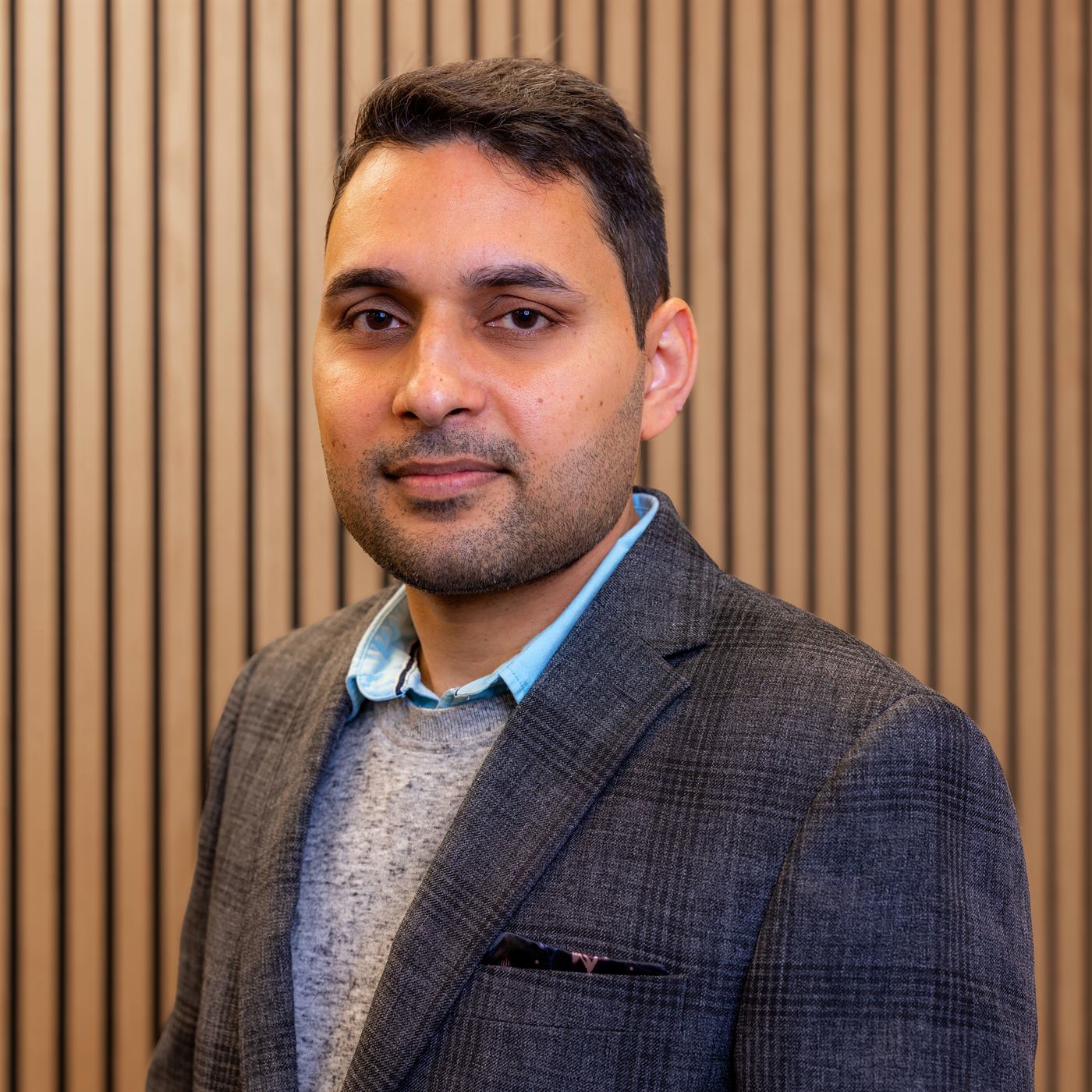
Portrait of Dr Vivek Singh

Dr Vivek Singh

PhD, FHEA

Lecturer in Artificial Intelligence

School of Engineering, Computing and Mathematics, University of Plymouth

About

Dr Vivek Singh is a Lecturer in Artificial Intelligence at the School of Engineering, Computing and Mathematics, University of Plymouth. He leads teaching and supervision across undergraduate and postgraduate AI programmes, equipping students with the theoretical foundations and practical expertise needed to address real-world, high-impact AI challenges.

His research centres on data-efficient, resource-aware, and multimodal learning, with a focus on developing intelligent systems that perform robustly under limited labelled data and constrained computational environments. He designs scalable learning frameworks that bridge methodological innovation with deployment readiness, targeting applications in medical imaging, visual scene understanding, video analytics, and complex real-world perception systems. His work aims to advance AI models that are adaptable, interpretable, and operationally efficient in dynamic environments.

Prior to academia, Dr Singh held industry roles ranging from AI Researcher to Senior Research Engineer, delivering machine vision and image processing solutions across applied AI projects. His PhD research focused on deep learning architectures for human facial expression analysis and model optimisation. Following his doctorate, he served as a Research Fellow at the Visual Artificial Intelligence Lab at Oxford Brookes University, further advancing research in computer vision and applied AI systems.
Research Focus

Efficient Visual Understanding

Developing attention-driven and data aware architectures for scene parsing, video understanding, and spatio-temporal modelling that enhance predictive performance while reducing computational overhead. This work aims to enable robust visual intelligence systems suitable for real-world and resource-constrained deployment.

Multimodal and Generative AI

Designing multimodal learning frameworks that integrate complementary signals (e.g., visual, audio, and language) to improve representation learning and generalisation. This includes semantic-guided generative modelling applications such as speech-driven facial video super-resolution, cross-modal synthesis etc.

Clinical and Human-Centered AI

Translating AI research into high-impact domains including surgical workflow analysis and biomedical image understanding. This work emphasises robustness, interpretability, reliability, and real-world adoption, ensuring that AI systems support human decision-making in safety-critical environments.

Research Supervision

Collaborators

  • Prof Fabio Cuzzolin, Oxford Brookes University, UK
  • Dr George Mylonas, Imperial College London, UK
  • Dr Shailza Sharma, Plymouth Marine Laboratory, UK
  • Dr Inna Skarga-Bandurova, Oxford Brookes University, UK

Publications

  1. Loading publications...

Teaching

  • COMP5019: Natural Language Processing and Large Language Models
  • COMP5013: Topics in Applied Artificial Intelligence
  • COMP2000: Software Engineering 2 (Mobile application Development)
  • COMP1004: Computing Practice
  • Additionally, I serve as moderator and module lead for our international programmes across different modules.

Contact

Academic Contact

Profiles

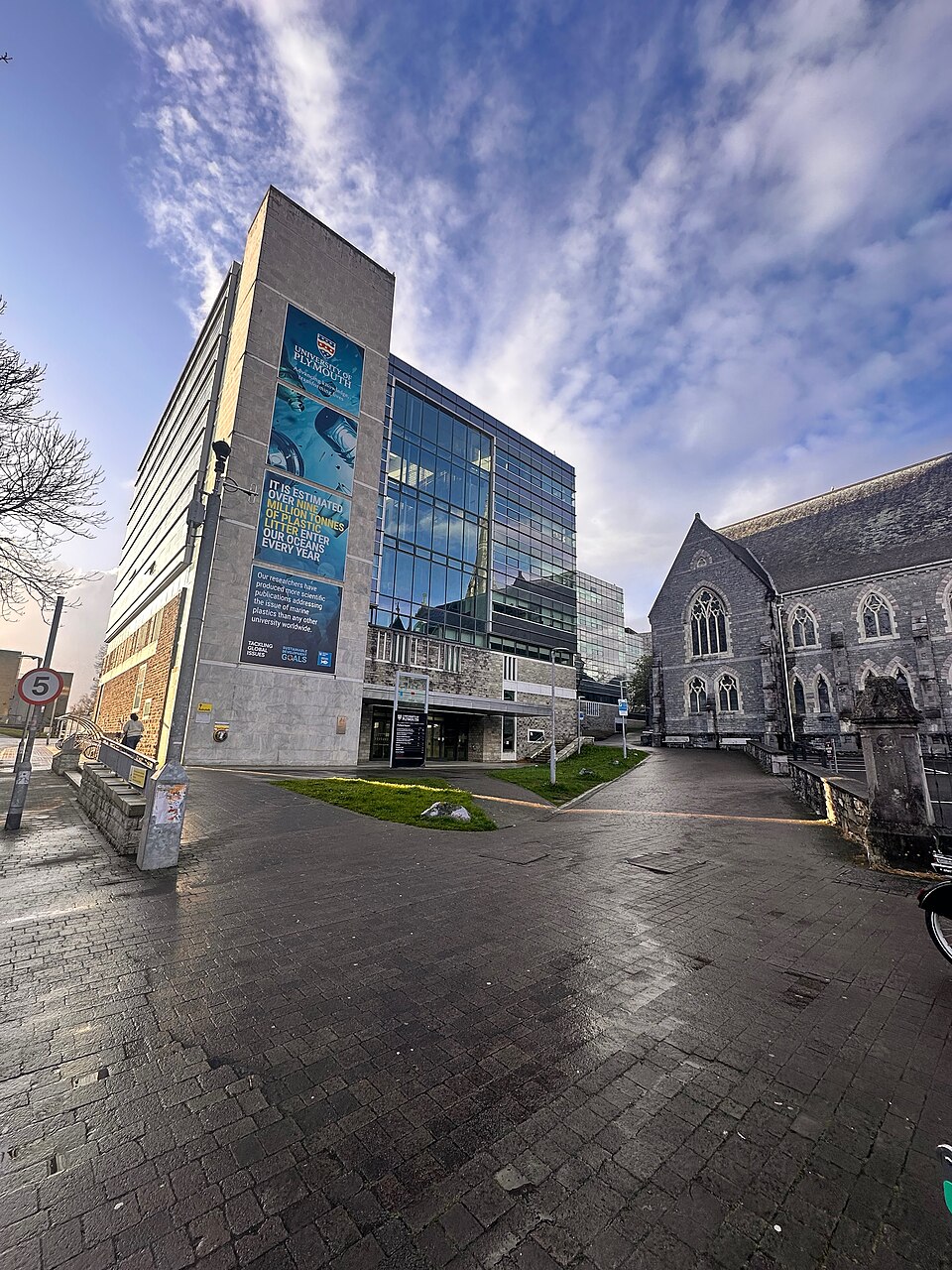
Portland Square Building at the University of Plymouth
Portland Square Building (University of Plymouth), photo via Wikimedia Commons (CC BY-SA 4.0).